


-

Add: HeBei ShengShi HongBang Cellulose Technology CO.,LTD.
-

Email
13180486930@163.com -

CONTACT US
+86 13180486930




In the world of modern construction, synthetic fibers have revolutionized the way materials are used, enhancing the strength, flexibility, and durability of various building components. The different types of synthetic fibers available today are engineered for specific uses, making them indispensable in many construction projects. These fibers are often used to reinforce concrete, improve the resilience of building structures, and provide additional benefits like increased fire resistance and weather protection. From polypropylene fibers to long glass fibers , synthetic fibers offer a range of options tailored to different needs. Whether it’s increasing the strength of cement or providing insulation properties, the different types of synthetic fibers ensure that construction projects meet high standards of quality and longevity. In addition to their superior performance, synthetic fibers are often more cost-effective and readily available than traditional materials. This makes them a preferred choice for construction companies aiming to reduce costs while maintaining high-quality results. Furthermore, the environmental impact of synthetic fibers is increasingly being addressed with sustainable production methods, making them a more eco-friendly option for the construction industry. Long Glass Fiber Polypropylene: A Key Ingredient for Stronger Materials One of the standout synthetic fibers in the construction industry is long glass fiber polypropylene . This innovative fiber combines the strength of glass with the lightweight, corrosion-resistant properties of polypropylene. As a result, long glass fiber polypropylene is often used to reinforce concrete and other building materials, providing a significant boost in durability and performance. The inclusion of long glass fiber polypropylene in construction materials helps reduce cracking and improve the structural integrity of buildings and roads. The long fibers create a matrix that distributes stresses evenly across the material, preventing localized damage. This fiber is particularly useful in high-strength concrete applications where additional reinforcement is needed. Moreover, long glass fiber polypropylene is highly resistant to environmental factors like moisture, UV radiation, and temperature changes, making it ideal for both indoor and outdoor construction projects. It is commonly used in applications like paving, drainage systems, and even in the production of prefabricated building components. Its versatility and effectiveness in improving the lifespan and reliability of building materials make it a go-to solution for modern construction needs. Fibre Natural and Synthetic: A Comparison of Strength and Sustainability When choosing materials for construction, understanding the difference between fibre natural and synthetic options is crucial. While natural fibers such as jute, hemp, and cotton have been traditionally used in construction, synthetic fibers like polypropylene, polyester, and nylon have emerged as more durable and cost-effective alternatives. Fibre natural and synthetic materials each have their own advantages, making them suitable for different types of applications. Natural fibers are renewable, biodegradable, and often produced using more sustainable methods, making them a more eco-friendly option. However, they may not offer the same level of strength or resistance to environmental factors as synthetic fibers. On the other hand, synthetic fibers are engineered for durability, offering superior resistance to moisture, heat, and wear. They are often used to enhance the properties of natural materials, making them more suitable for demanding construction environments. For example, natural fibers like hemp may be used in insulation or as a reinforcement material in low-stress applications, while synthetic fibers like polypropylene or polyester are used for high-strength reinforcement in concrete, roofing, and other critical structures. By combining the best of both fibre natural and synthetic materials, construction companies can achieve optimal performance and sustainability. Non-Woven Polypropylene Fiber: A Revolutionary Material in Construction Non woven polypropylene fiber is another essential material that is increasingly being used in the construction industry. Unlike traditional woven fabrics, non woven polypropylene fiber is made from a process that bonds fibers together without weaving or knitting, resulting in a highly versatile material with excellent durability and moisture resistance. This fiber is widely used in applications like drainage systems, geotextiles, and road construction. Non woven polypropylene fiber provides a lightweight yet strong solution for reinforcing construction materials. It is often used in soil stabilization, as it helps prevent erosion and improves the strength of the ground underneath roads, bridges, and buildings. The material's ability to resist moisture also makes it ideal for protecting against corrosion and extending the lifespan of infrastructure. Additionally, non woven polypropylene fiber is environmentally friendly, as it is made from recyclable polypropylene, a material that can be repurposed for various other uses. Its cost-effectiveness, combined with its high-performance qualities, makes it a popular choice for contractors seeking durable and sustainable solutions for their construction projects. S ynthetic F ibers FAQs What are the different types of synthetic fibers used in construction? Synthetic fibers used in construction include polypropylene, polyester, nylon, and glass fibers. Each type is engineered for specific applications, such as reinforcing concrete, improving durability, and providing insulation. What is long glass fiber polypropylene, and why is it important in construction? Long glass fiber polypropylene is a fiber that combines the strength of glass with the lightweight, corrosion-resistant properties of polypropylene. It is essential in construction for reinforcing concrete, improving structural integrity, and preventing cracking. What are the benefits of using natural fibers in construction? Natural fibers , like hemp or jute, offer benefits such as renewability, biodegradability, and sustainability. They are commonly used for insulation and low-stress reinforcement, but may not be as durable or resistant to environmental factors as synthetic fibers. How does non-woven polypropylene fiber differ from woven fabrics? Unlike woven fabrics, non-woven polypropylene fiber is made through a bonding process that does not involve weaving or knitting. This results in a highly durable and moisture-resistant material, commonly used in geotextiles, drainage systems, and soil stabilization. Are synthetic fibers environmentally friendly? While synthetic fibers are often made from petroleum-based products, many are now produced using more sustainable methods. Additionally, materials like non woven polypropylene fiber are recyclable, making them a more environmentally friendly choice in construction. As construction needs evolve, synthetic fibers like long glass fiber polypropylene and non woven polypropylene fiber continue to play a crucial role in enhancing the strength, durability, and sustainability of building materials. If you're in the construction business, investing in these cutting-edge fibers will improve the performance of your projects and contribute to more eco-friendly practices. Visit our website today to explore our wide range of high-quality synthetic fibers and learn how they can transform your construction projects!
- 40000tons

Production
- 20+years

Experience
- 5000+㎡

Acreage

-
Acid-modified starch, an innovative alteration of native starch, has garnered attention for its unique properties and versatile applications in various industries. Derived from botanical sources such as corn, potato, or tapioca, the product undergoes controlled acidic treatment to modify the starch granules, enhancing its characteristics to meet specific industrial needs. This process involves reducing the molecular weight of the starch, thereby increasing solubility and altering its gelatinization and viscosity properties. One of the prime benefits of acid-modified starch is its role in the food industry, particularly in the manufacturing of confectionery products. Its ability to form clear, firm gels and to stabilize emulsions makes it indispensable in creating the perfect texture for gummy candies, jellies, and other gelatinous sweets. Unlike native starch, acid-modified starch doesn't break down under high temperatures, making it ideal for processes that require cooking or heating, without compromising the quality or appearance of the final product. Beyond confectionery, acid-modified starch plays a critical role in the paper industry . It acts as a surface sizing agent, enhancing the strength and printability of paper. This application not only improves the efficiency of ink usage but also contributes to the smoothness and gloss of the paper, which is essential for high-quality print jobs. Additionally, in the textile industry, its film-forming ability helps in improving the fabric's hand feel, adding weight and stiffening materials, which is crucial in specific apparel manufacturing processes. From an environmental perspective, the use of acid-modified starch as a biodegradable and renewable resource stands out, aligning with the global thrust towards sustainability. This positions the starch as a preferable alternative to petroleum-based products, particularly in packaging applications where reduction of environmental impact is highly prioritized. acid modified starch Experts within the chemical modification sector emphasize the significance of precision in the acid modification process. Achieving consistent product quality demands expertise in adjusting treatment parameters such as pH level, reaction time, and temperature. Leading manufacturers who specialize in starch modification employ rigorous quality control measures and leverage advanced technology to ensure the end product meets stringent industry standards, thereby establishing their authority and trustworthiness in the market. The science behind acid-modified starch also extends to its application in pharmaceuticals, where its improved solubility and disintegration properties enhance the bioavailability of active ingredients. This makes it an essential component in the formulation of tablets and capsules, contributing to more efficient drug delivery systems. Industry leaders and researchers continue to explore new frontiers for acid-modified starch, investigating its potential as a carrier for bioactive compounds or as an ingredient in 3D printing edible objects. These innovations underscore the evolving applications and growing importance of this functional ingredient in aligning industry trends with consumer demands. For companies considering the incorporation of acid-modified starch into their product lines, it's vital to collaborate with experienced suppliers who can provide not just high-quality starch but also insights and technical support tailored to specific applications. As the uses of acid-modified starch extend across industries, staying informed and engaging with knowledgeable experts will ensure businesses can harness its full potential effectively and sustainably.
-

The Versatile Uses of Crumb Rubber Powder Crumb rubber powder, a product derived from the recycling of scrap tires, has gained significant attention in various industries due to its myriad applications and sustainable benefits. As environmental concerns surrounding waste management intensify, the value of repurposing discarded tires into useful materials becomes increasingly significant. This article explores the many uses of crumb rubber powder and highlights its advantages, particularly in paving, construction, and automotive industries. One of the most prominent applications of crumb rubber powder is in the manufacturing of asphalt. The integration of crumb rubber into asphalt mixtures enhances the performance and longevity of road surfaces. The elastomeric properties of rubber improve flexibility and resistance to cracking, particularly in extreme weather conditions. Moreover, crumb rubber-modified asphalt can reduce noise pollution and increase road durability, making it an environmentally friendly alternative to traditional asphalt. The Versatile Uses of Crumb Rubber Powder Another noteworthy application of crumb rubber powder is in the production of playgrounds and sports surfaces. When used in playground flooring, it offers a cushioned surface that significantly reduces the risk of injuries from falls. Its shock-absorbing qualities make it an ideal choice for various recreational facilities, including running tracks and athletic fields. Moreover, the use of crumb rubber in athletic surfaces improves traction and provides consistent playing conditions, contributing to better performance in sports. uses of crumb rubber powder The automotive industry also benefits from the incorporation of crumb rubber powder. It is utilized in the production of tires, inner linings, and various automotive components. By recycling old tires into new products, manufacturers not only contribute to waste reduction but also enhance the performance of their vehicles. The addition of crumb rubber improves the durability and lifespan of tires, ultimately leading to a more sustainable automotive industry. Furthermore, crumb rubber powder plays a role in filtration systems. Its porous structure allows it to be used effectively in air and water filtration applications. The rubber's ability to capture particulates makes it an ideal material for producing filters that improve air quality in various environments, from industrial settings to residential areas. This application highlights crumb rubber's versatility beyond conventional uses and its potential to contribute to public health. Despite its many benefits, the use of crumb rubber powder is not without its controversies. Concerns about potential health risks associated with the leaching of chemicals from crumb rubber, particularly in children’s play areas, have been raised. However, numerous studies have shown that properly processed crumb rubber does not pose significant health risks. Regulatory bodies continue to monitor and assess the safety of crumb rubber in various applications to ensure public safety. In conclusion, crumb rubber powder represents a sustainable and versatile material with a wide array of applications across multiple industries. From enhancing road surfaces to improving construction materials and contributing to safer play environments, its benefits are numerous. As the world moves towards more sustainable practices, the use of crumb rubber powder not only offers a solution to the growing problem of tire waste but also paves the way for innovative advancements. Embracing this eco-friendly approach can significantly contribute to resource conservation, making it a valuable addition to modern manufacturing and construction processes.
advantages
-

200000 Viscosities
Excellent product
We can produce pure products up to 200,000 viscosities
-

40000 tons
High yield
We don’t stop production all year round, and the annual output can reach 40,000 tons
-

24 hours
Quality service
We provide 24-hours online reception service, welcome to consult at any time
———— Inquiry Form
Schedule A services



-
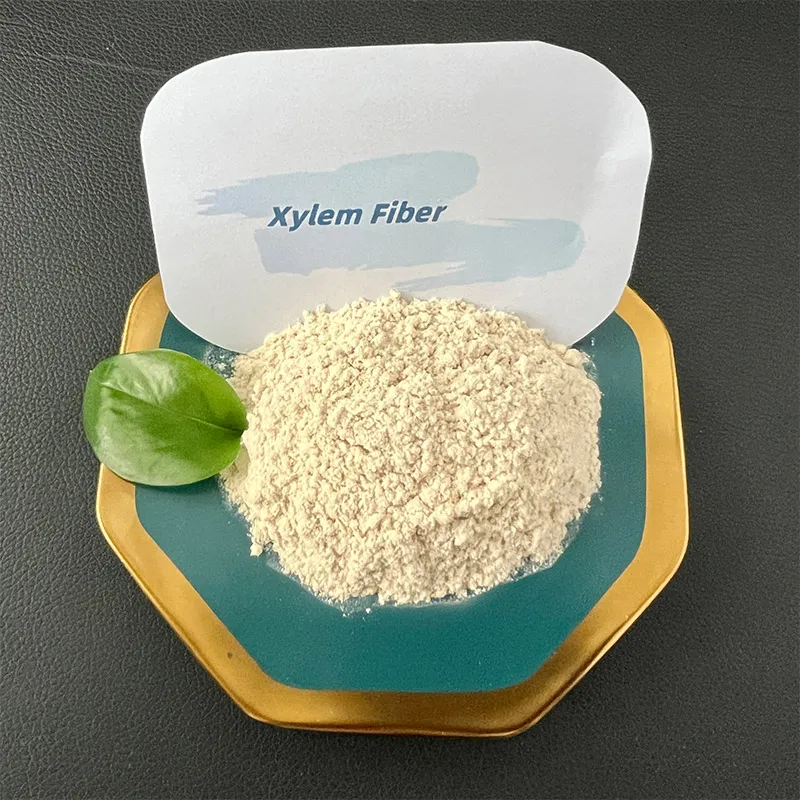 starch_ether_for_dry_mortar
Oct . 25, 2025
Hydroxypropyl methylcellulose (HPMC) E15 is a versatile polymer used widely in various industries du -
 hpmc_e5_solubility
Oct . 25, 2025
Hydroxypropyl methylcellulose (HPMC) has rapidly gained prominence in various industries due to its -
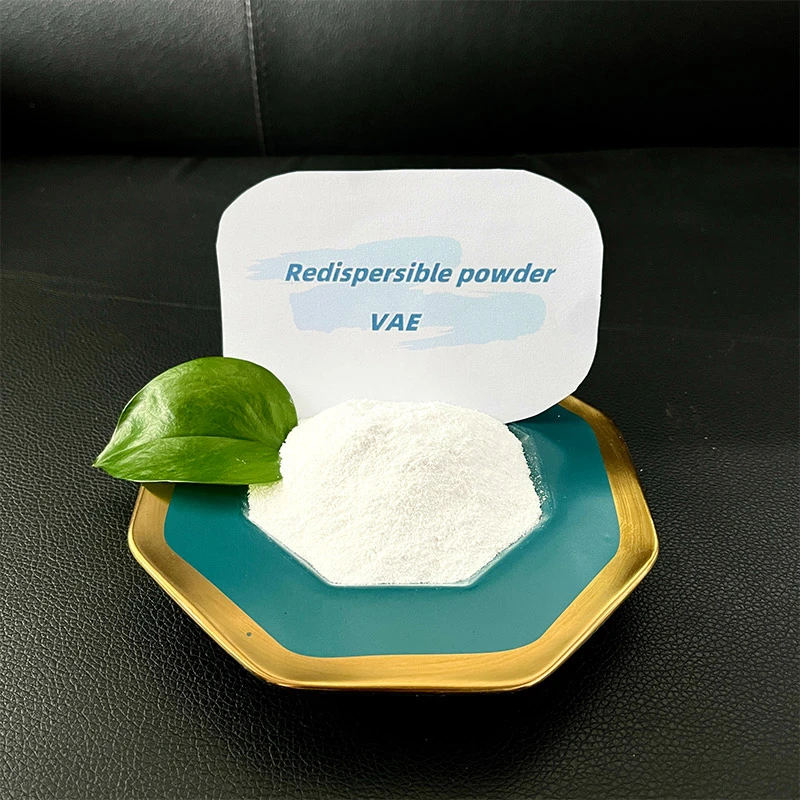 synthetic_concrete_reinforcing_fibers
Oct . 25, 2025
High Performance Computing (HPC) and Hydroxypropyl Methylcellulose (HPMC) might seem like disparate


